Fotona Laser Treatments for Comprehensive Facial Revitalization
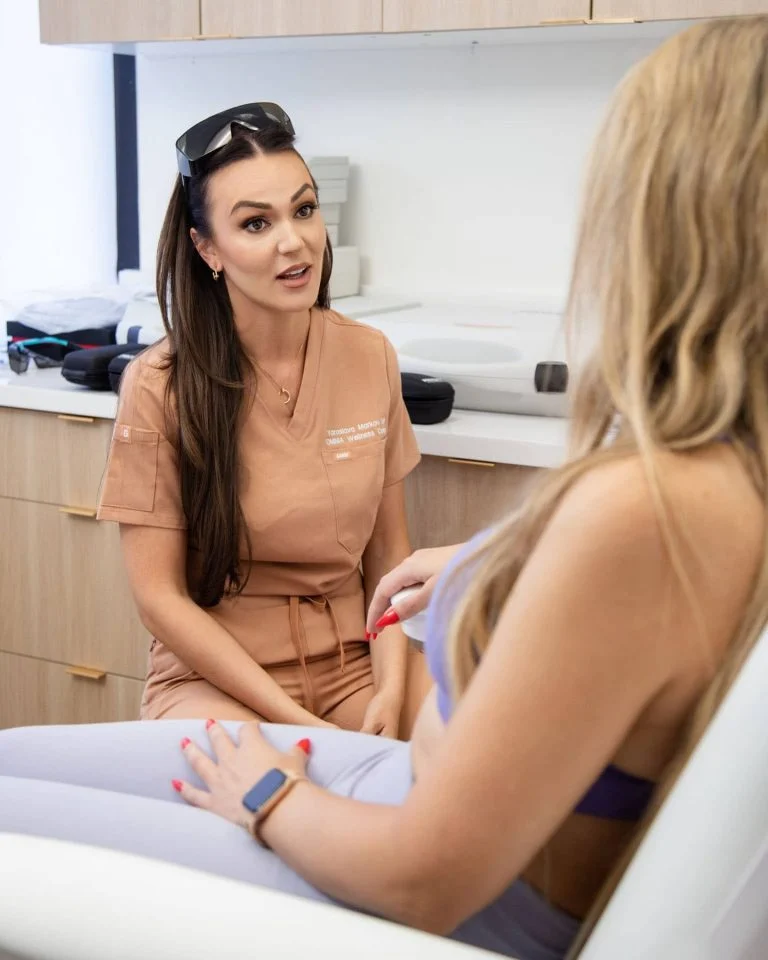
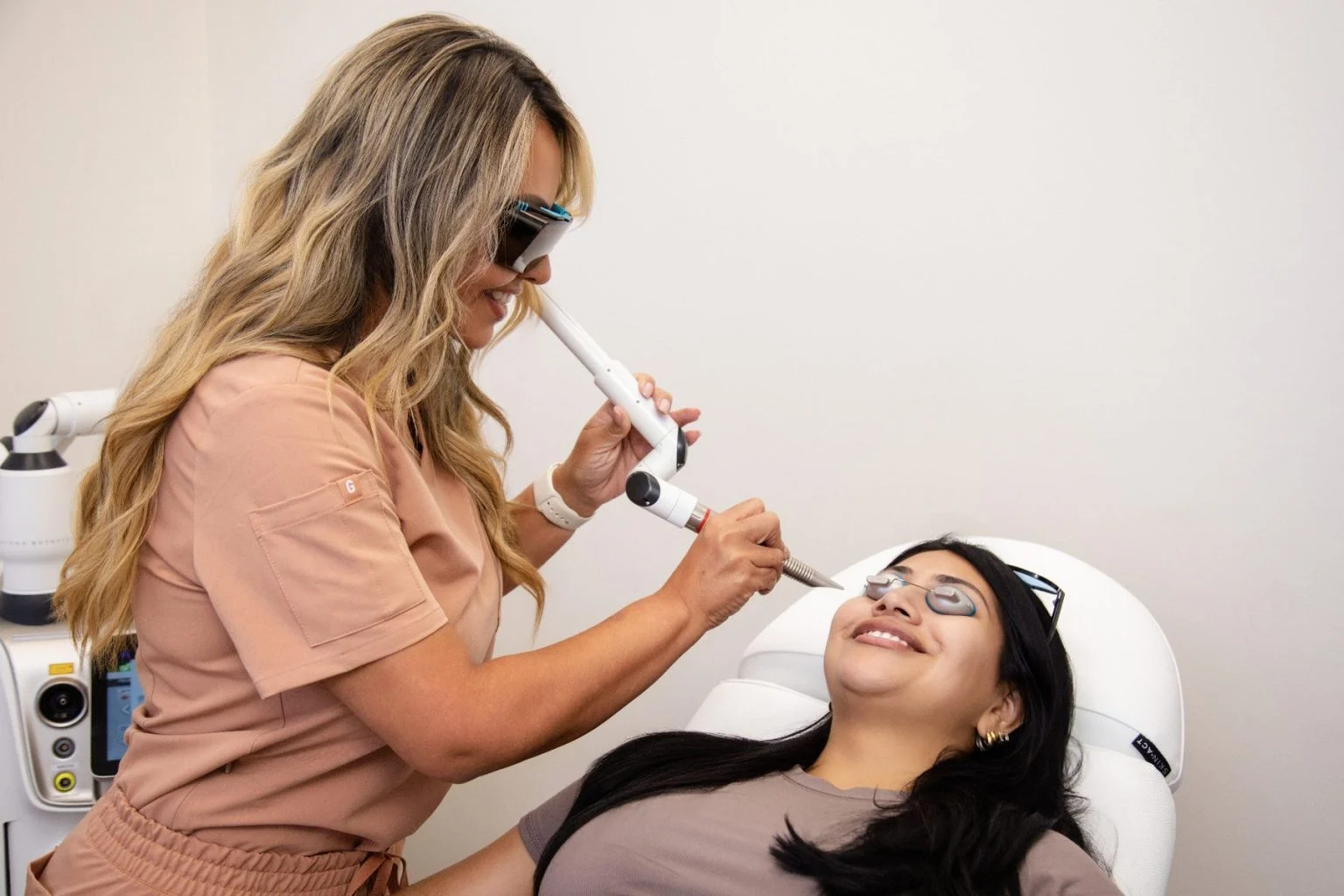
Facial rejuvenation used to be split into neat categories. One treatment addressed pigment, another targeted texture, another tightened lax skin, and something else entirely was needed for redness, pores, acne scarring, or the tired quality that patients often describe without having a precise word for it. Real faces do not cooperate with tidy categories. Most people who sit in a consultation chair have several concerns layered together: dullness, early jowling, crinkling under the eyes, lingering acne marks, uneven tone, and a sense that their face no longer reflects how rested or healthy they feel.
That is where Fotona Laser Treatments have earned a strong place in modern aesthetic practice. The platform is not one single laser with one single job. It is better understood as a toolkit built around complementary wavelengths and delivery modes that can be adapted to the skin in front of you. In skilled hands, that flexibility matters. It allows a clinician to work on the surface and deeper structures in the same broader treatment plan, often without forcing the patient into a long downtime recovery that many adults simply cannot accommodate.
The phrase "comprehensive facial revitalization" sounds broad, but it is accurate here. The goal is not only smoother skin or tighter skin. It is a coordinated improvement in tone, texture, support, luminosity, and facial freshness. When Fotona treatments are selected well and sequenced properly, they can move the skin in that direction in a way that feels balanced rather than overdone.
Why Fotona stands apart in facial rejuvenation
The distinguishing feature of many Fotona systems is the use of two established laser wavelengths, Er:YAG and Nd:YAG. They behave differently in tissue, and that difference is precisely why they are useful together.
Er:YAG is strongly absorbed by water, which makes it particularly effective for precise surface work. It can remove damaged superficial tissue, improve rough texture, soften fine lines, and refine acne scars with a high degree of control. Depending on settings, it may be used in a more aggressive ablative way or in gentler fractional and non ablative modes.
Nd:YAG penetrates more deeply. It is often chosen when the goal is collagen stimulation, dermal heating, vascular improvement, or a tightening effect. It can also be helpful for diffuse redness and certain textural concerns that benefit from deeper remodeling rather than just superficial resurfacing.
That pairing gives practitioners room to design treatment around what the face actually needs. A patient in their early thirties with post inflammatory acne discoloration and enlarged pores may need a very different strategy from a patient in their late fifties with upper lip lines, lower face laxity, and crepey skin around the eyes. The platform can serve both, but not with the same protocol.
This is where experience shows. The device matters, but judgment matters more. Settings, pulse durations, treatment density, stacking, and sequencing are not technical footnotes. They determine whether the treatment is merely tolerable and somewhat helpful, or genuinely transformative.
The facial concerns Fotona Laser Treatments can address
Comprehensive revitalization is not about promising everything to everyone. It is about recognizing where the technology tends to perform well. In practice, Fotona is often considered for skin dullness, enlarged pores, uneven tone, textural irregularity, superficial and https://sergioavsu715.lumenforgex.com/posts/fotona-laser-treatments-for-customized-anti-aging-solutions moderate acne scarring, fine lines around the mouth and eyes, diffuse redness, mild to moderate laxity, and skin that has begun to lose elasticity.
One of the most common consultation moments goes like this: a patient points to one area, usually the nasolabial fold, under eye, or jawline, but what is bothering them is actually a global change. The skin is less reflective. Makeup does not sit as well. The face appears heavier, flatter, or more fatigued. Fillers may address a shadow or a fold, but they do not restore skin quality. Neuromodulators soften movement lines, but they do not tighten tissue or smooth acne scars. Fotona treatments are often appealing in exactly this middle ground, where people want visible improvement without looking altered.
That does not mean the treatment replaces every other modality. It means it fills an important role. In many practices, lasers do their best work alongside injectables, good skincare, and disciplined sun protection. Revitalization is usually cumulative.
What a "full-face approach" really means
When patients hear "full-face laser," they sometimes imagine a uniform pass over the skin. Thoughtful treatment is rarely that simple. Different facial zones age differently and tolerate energy differently.
The cheeks, for example, may benefit from collagen remodeling and textural refinement. The perioral area often needs more attention to etched lines and sun related surface damage. The lower eyelid area calls for restraint and precision. The jawline and submental region may be treated with tightening in mind, while the nose and inner cheeks might be approached with pore size and oil related texture as the focus.
A comprehensive plan often means varying the treatment even within one session. The clinician may target the deeper dermis in one region, perform lighter resurfacing in another, and avoid over treating areas that do not need it. Faces look younger when improvement is harmonized. Over polishing one section while ignoring structural imbalance elsewhere can look strangely artificial, even if each individual treatment choice was technically correct.
This matters especially in patients who are trying to avoid the "done" appearance. Laser rejuvenation, when approached well, usually works by subtraction and restoration. It reduces the visual noise of aging skin. It does not add volume where volume does not belong.
The well-known Fotona treatment concepts
Some Fotona protocols are widely recognized by name, and for good reason. They reflect an attempt to combine multiple layers of rejuvenation rather than treating only the skin surface.
One of the better known approaches is the so-called 4D concept, which uses several steps in one session to address the skin from inside the mouth, through deeper dermal heating, toward more superficial correction and light polishing. The intraoral component is especially interesting for the perioral region and lower face because it approaches tissue support from a different angle than external-only treatments. Patients are often intrigued by this because upper lip lines and lower face softening can be frustrating to treat with conventional methods alone.
Another recognized approach is smooth mode tightening around delicate areas such as the eyes. This appeals to patients who are not ready for surgery but are beginning to notice crepiness or mild hooding. Expectations need to be realistic. A laser treatment is not a blepharoplasty. Still, for the right patient, modest tightening and textural improvement around the orbital area can be meaningful.
There are also resurfacing focused options for acne scars and photodamage, and gentler no downtime style treatments intended for brightness and maintenance. The strength of the platform lies in being able to scale up or down rather than forcing every patient into the same treatment depth.
What treatment feels like in real life
People usually ask three things first: Does it hurt, how long will I look obvious, and when will I see a result?
The answer to discomfort depends on the settings and the goal. A light revitalization treatment can feel warm, prickly, and entirely manageable with topical numbing or even without it in some cases. More intensive resurfacing can be significantly more uncomfortable and generally benefits from topical anesthetic, cooling, and careful pacing. Around the mouth, where the skin is thinner and the area more mobile, patients often feel more than they expected. Around the cheeks, many tolerate it quite well.
Downtime ranges just as widely. After a lighter session, someone may look pink for a day or two, perhaps with a sandpapery feel that makeup can partly cover. After stronger resurfacing, there may be several days of redness, swelling, bronzing, and peeling, followed by lingering pinkness that gradually fades. This is one of the most important consultation topics because "I can take a few days off" means different things to different people. A person who regularly appears on camera or works face to face with clients may define downtime more strictly than someone with a flexible schedule.
Visible results also unfold in phases. Some patients notice an early glow once superficial roughness sheds. Tightening and collagen remodeling take longer. It is common for skin quality gains to continue over several weeks to a few months, especially when treatments are performed in a series. That delayed improvement is part of the appeal, but it can also frustrate people who expect a single dramatic event. Laser rejuvenation often rewards patience more than impatience.
The consultation is where good outcomes begin
No device can rescue a rushed assessment. The best Fotona Laser Treatments start with a careful facial reading, not just a menu selection. Skin type, history of hyperpigmentation, rosacea tendency, active acne, recent tanning, isotretinoin history, scar behavior, melasma, autoimmune skin issues, and tolerance for downtime all change the plan.
A fair skinned patient with sun damage and etched lines may be a straightforward resurfacing candidate. A patient with a deeper skin tone and a strong tendency toward post inflammatory pigmentation needs more caution, more pre treatment planning, and sometimes a more conservative path. The goal is not to avoid treating darker skin altogether. It is to choose settings and strategies that respect risk. That may mean more sessions at lower intensity rather than one aggressive session. It may also mean priming the skin first with pigment stabilizing skincare and insisting on strict sun avoidance.
There is also the issue of anatomy versus skin quality. A patient may request laser for "under eye bags" when the dominant problem is actually fat prolapse or volume loss. Another may ask for jawline tightening when heavy neck tissue is the larger issue. Good practitioners explain when laser can help and when it cannot carry the whole burden. That honesty protects both outcomes and trust.
A realistic view of benefits and limitations
Lasers are powerful tools, but they are not magic. The best use of Fotona is not pretending otherwise.
Fotona tends to shine when the concerns are mixed and moderate. Fine lines, mild laxity, rough texture, shallow acne scars, enlarged pores, and dullness are often very reasonable targets. Some early jowling and lower face softening can improve when there is still enough skin elasticity to recruit. Perioral lines often respond better when surface treatment is paired with deeper remodeling than when either is done alone.
Where results are less dramatic, or simply different from what patients imagine, is in heavier tissue descent, significant skin redundancy, deep static folds caused by structural loss, and dense longstanding scars. A laser can soften these problems, but it usually does not erase them. If someone needs lifting, repositioning, or substantial volume restoration, laser should be presented as an adjunct, not a substitute.
That distinction matters because dissatisfaction often comes from mismatch, not poor treatment. When expectations are accurate, patients tend to appreciate the cumulative improvement in skin quality. When expectations are inflated, even technically solid results can feel disappointing.
Who tends to be a good candidate
Most suitable candidates share one trait: they want better skin quality and some tightening, but they do not want surgery, or they are not ready for it yet. Age is less important than tissue behavior and expectations. A healthy patient in their late twenties with acne scarring can benefit. So can a patient in their sixties who wants meaningful improvement with less downtime than a deep traditional resurfacing procedure.
A short candidate checklist can help frame suitability:
- mild to moderate textural change, uneven tone, pores, fine lines, or early laxity
- willingness to complete a series if recommended, rather than expecting a one time cure
- ability to follow sun protection and aftercare closely
- no active infection, open wounds, or recent tanning at the treatment site
- realistic expectations about what laser can improve versus what may need other modalities
These points sound simple, but they predict outcomes better than people think. The patient who treats aftercare casually or insists on a major result before a wedding in ten days is often not the ideal laser patient, even if the skin itself is treatable.
Recovery is not glamorous, but it matters
The treatment session gets most of the attention, yet the days afterward often determine whether healing is smooth and whether results are clean. Skin that has been heated or resurfaced is vulnerable. Barrier support, gentle cleansing, bland moisturization, and disciplined ultraviolet avoidance are not optional extras. They are part of the procedure.
Patients who do best usually accept a temporary trade. They allow the skin to look pink, dry, or flaky without trying to overcorrect with exfoliants, retinoids, scrubs, or heavy camouflage too soon. The temptation to "speed healing" with multiple products is common and usually counterproductive.
Practical aftercare tends to center on a few basics:
- cleanse gently with lukewarm water and a non stripping cleanser
- keep the skin moisturized with simple barrier supporting products
- avoid active ingredients such as retinoids, strong acids, and abrasive scrubs until cleared
- use broad spectrum sun protection rigorously, along with hats and shade when possible
- report unusual pain, blistering, prolonged swelling, or signs of infection promptly
That level of caution is especially important in patients prone to pigment shifts. A beautifully performed laser session can be undermined by a weekend of sun exposure or an aggressive skincare restart.
Combining Fotona with other aesthetic treatments
One of the most sensible uses of Fotona is in combination care. The face ages in layers, so treatment often works best in layers as well.
For example, a patient with acne scars and shallow rolling texture may improve significantly with resurfacing, but if they also have volume loss through the midface, the overall result may still feel incomplete. A small amount of filler, placed conservatively, can support the contour while laser refines the skin surface. Likewise, a patient with strong glabellar movement and etched forehead lines may benefit more when neuromodulators reduce repetitive folding and laser improves the residual texture. Neither treatment cancels the value of the other.
There is also a practical rhythm to combination care. Not everything should be done on the same day, and sequencing depends on the treatment intensity and the clinician's style. In my experience, patients appreciate when a plan is staged rather than stacked indiscriminately. More interventions do not always produce a better face. Sometimes they simply create more swelling, more confusion, and less clarity about what is actually working.
The underappreciated value of maintenance
Patients often focus on the first treatment series, but maintenance is where long term facial revitalization becomes visible. Skin continues to age. Sun, sleep, hormones, stress, and genetics keep doing their work. The point of a laser series is not to freeze time. It is to improve the baseline and then support it intelligently.
For some patients, that means a more intensive treatment once or twice a year with lighter refresh sessions in between. For others, especially those who are treating scars or significant sun damage, a front loaded series may make sense before moving into maintenance. There is no universal schedule that suits every face.
This is also where skincare earns its keep. Daily sunscreen, a well chosen retinoid if tolerated, pigment control when indicated, and barrier friendly moisturization extend laser results more than most people expect. Patients who skip this part often feel their results "faded too fast," when the issue is really that the skin was left unprotected from the same insults that caused the damage in the first place.
Questions worth asking before booking
The market is crowded, and laser names are often used loosely. Patients are wise to ask exactly which Fotona system is being used, what treatment mode is planned, whether the goal is tightening, resurfacing, vascular improvement, or a combination, and what downtime range is typical in that clinic's hands. Asking how many sessions are commonly recommended for your particular concern is also revealing. Honest answers tend to be specific.
It is equally reasonable to ask how the practitioner approaches your skin type, whether pretreatment skincare is advised, and what their backup plan is if healing runs longer than expected. These are not confrontational questions. They are signs that you understand laser is a medical aesthetic procedure, not a casual beauty service.
The best consultations often leave patients feeling informed rather than sold to. If the discussion centers only on the promise of collagen and not on the possibility of swelling, redness, pigment risk, or partial improvement, that is a red flag. Sophisticated treatment planning includes upside and limitation in the same conversation.
Where Fotona fits in a mature facial rejuvenation strategy
Aesthetic medicine has moved away from single tool thinking, and that is for the better. Faces are dynamic. Skin quality, fat distribution, ligament support, muscle activity, bone structure, and lifestyle all influence what we perceive as youthfulness. Fotona Laser Treatments fit into that larger picture because they address a domain that patients notice immediately, even when they cannot quite articulate it: the character of the skin itself.
Healthy, revitalized skin reflects light differently. It looks calmer, smoother, and more alive. Fine lines are less insistent. Makeup behaves better. Features appear rested rather than corrected. That sort of improvement is hard to fake with volume alone and impossible to bottle in a serum.
Used thoughtfully, Fotona can be one of the more versatile tools for achieving that effect. Not every patient needs it, and not every concern is best treated with it. But for the common real world patient, the one with several moderate issues rather than one dramatic flaw, it offers something valuable: the ability to treat the face as a whole, with nuance, and with respect for both anatomy and daily life.
That is the real promise of comprehensive facial revitalization. Not perfection, not reinvention, but a credible return of clarity, firmness, and vitality to skin that has gradually lost all three.
OMNIA Wellness Center
Address: 16430 Ventura Blvd Ste 207, Encino, CA 91436
Phone number: +18183868511
FAQ About Fotona Laser Treatments
What is a Fotona laser good for?
A Fotona Laser system is a versatile, dual-wavelength medical laser used primarily for non-surgical skin tightening, anti-aging rejuvenation, and dermatological treatments.
How much does the Fotona laser cost?
The cost of a Fotona laser depends heavily on whether you are looking to purchase a laser machine for a medical practice or are a patient seeking a laser treatment at a medspa.
Is a Fotona laser worth it?
A Fotona laser treatment is generally worth it if you want non-surgical skin tightening, improved texture, and collagen stimulation with very little downtime.