Fotona Laser Treatments for Enlarged Pores and Rough Skin
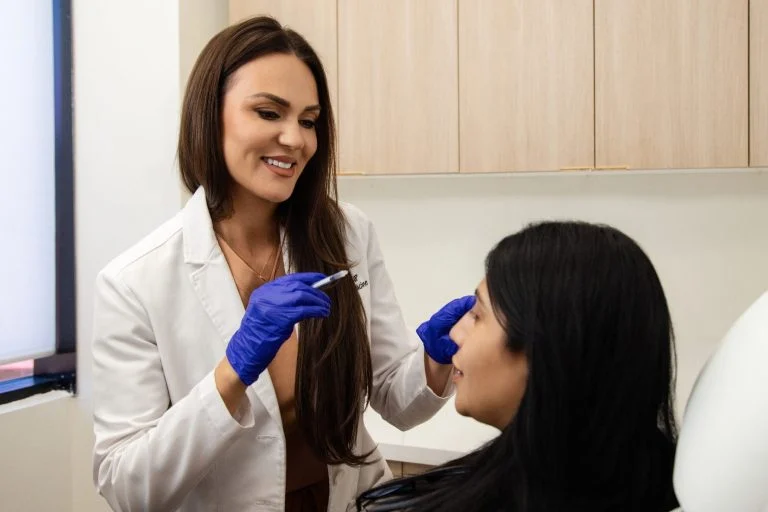
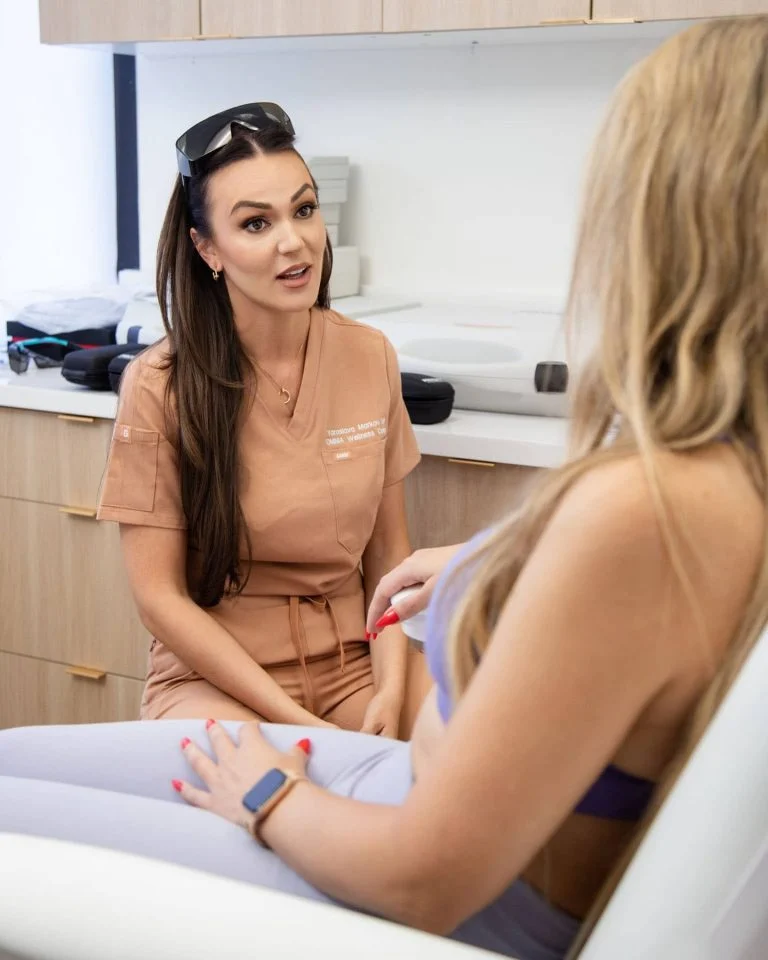
Enlarged pores and rough texture sit in that frustrating middle ground of skin concerns. They are not usually dangerous, but they can be stubborn, visible, and hard to improve with creams alone. Plenty of patients come in saying the same thing in different words: their skin looks tired, uneven, or coarse no matter how careful they are with cleansers, serums, and sunscreen. Makeup settles into the texture. The nose and inner cheeks look congested. The forehead feels bumpy under certain light. Photos taken from the side seem less forgiving than the mirror.
This is where energy-based treatments can make a real difference, especially when the problem is not only on the surface. Pores look enlarged for several reasons, and rough skin rarely comes from one cause. Oil production, acne history, sun damage, collagen loss, and slower cell turnover often overlap. A treatment has to address that complexity if the goal is a visible change that lasts longer than a week.
Fotona Laser Treatments are often discussed in this context because they can target texture, stimulate collagen remodeling, and improve overall skin quality without relying on a single one-size-fits-all setting. The platform is versatile, and that matters. A patient in their late twenties with oily skin and acne-related pores needs a different approach than someone in their forties whose roughness is tied more to photodamage and declining elasticity. Good results come less from the machine name alone and more from how the treatment is selected, layered, and timed.
Why pores look enlarged in the first place
A pore is not a defect. It is a normal opening in the skin, usually linked to a hair follicle and oil gland. The problem is that some pores become much more noticeable than others. In practice, the patients most bothered by pores usually have one or more of the following going on:
- increased oil production that keeps the follicle opening more visible
- loss of surrounding collagen support, which makes the pore rim look stretched
- debris buildup that exaggerates shadowing and texture
- acne inflammation that alters the structure of the pore over time
- sun damage that weakens skin quality and worsens surface irregularity
That list sounds simple, but real skin is rarely simple. A patient may start with genetically oilier skin, go through years of acne, then add ultraviolet damage and natural collagen decline. At that point, no exfoliating toner is going to rebuild the architecture of the skin. It may help the surface look brighter for a short period, but it will not tighten the tissue around each visible pore.
Rough skin follows a similar pattern. Sometimes it is mostly dead skin accumulation and can respond well to routine exfoliation. Sometimes it is a deeper textural issue, with uneven dermal support, fine acne scarring, enlarged follicles, and mild laxity all creating that sandpapery look. The skin may feel smooth after moisturizer and still look coarse under daylight. That disconnect is common, and it is one reason patients feel stuck.
Where Fotona fits into treatment planning
Fotona systems use specific laser wavelengths, commonly Er:YAG and Nd:YAG, which can be used in different modes depending on what the skin needs. That flexibility is one of the strengths of Fotona Laser Treatments. They are not limited to a single endpoint or one style of resurfacing. A provider can work more superficially when the goal is gentle refinement, or go deeper when collagen remodeling and textural correction are the priority.
For enlarged pores and rough skin, the treatment logic often centers on three goals: improve turnover at the surface, stimulate collagen in the deeper layers, and create a more even, https://sergioavsu715.lumenforgex.com/posts/the-science-behind-fotona-laser-treatments compact skin texture over time. Depending on the protocol, this may happen with minimal ablation, controlled thermal injury, or a combination of both.
Patients often arrive assuming that the strongest treatment is always the best one. In reality, the best plan balances effectiveness with downtime, skin type, work schedule, and history of post-inflammatory pigmentation. Someone with fair, sun-damaged skin may tolerate a more aggressive resurfacing session well. Someone with deeper skin tones or recent inflammation may do better with a gradual series and careful pretreatment. The treatment plan is where judgment matters most.
How Fotona Laser Treatments improve roughness and pore visibility
The first thing to say clearly is that laser treatment does not erase pores. Any clinic promising pore removal is overselling. What a well-chosen treatment can do is reduce their apparent size by improving the skin surrounding them, smoothing irregular texture, and decreasing the factors that make pores stand out.
With Fotona, there are several mechanisms at work. Controlled heat can stimulate fibroblasts to produce new collagen, which helps reinforce the dermal matrix around pores. Certain resurfacing approaches also remove or disrupt damaged superficial layers, allowing fresher skin to emerge with a smoother look. If there is mild acne scarring mixed in, textural blending may improve enough that the whole area reads as more refined.
One of the practical benefits I have seen with patients is that the improvement often looks global rather than spotty. Instead of one pore shrinking in isolation, the skin develops a more uniform reflectance. Light bounces off the face more evenly. The cheeks look less crepey up close. The area beside the nose loses that persistent rough, shadowed appearance that can make skin look greasy even when it is clean.
Patients notice this in ordinary moments rather than dramatic before-and-after poses. Foundation applies with less drag. Midday shine is still there if someone is oily, but it is not catching every indentation. A person who used to inspect their cheeks in a car mirror may stop thinking about the texture quite as much. Those subtle quality-of-life changes are often more meaningful than a single photograph.
Different Fotona approaches, and why they are not interchangeable
Not all Fotona protocols are designed the same way. Some are very light and focus on refreshment with minimal interruption. Others are more intensive and aim for deeper remodeling. The choice depends on the skin issue, the patient profile, and how much downtime is acceptable.
A gentle non-ablative session may be suitable for someone with early textural change, mild pore prominence, and little tolerance for visible recovery. The skin may look pink for a day or two, then gradually appear tighter and brighter over several weeks. Improvement is usually modest per session but can build nicely in a series.
A fractional or more ablative approach can be better for patients with roughness that has structural causes, such as acne sequelae, diffuse sun damage, or more pronounced pore dilation. These treatments often involve several days of redness, dryness, and a sandpaper-like feel as the skin heals. They ask more of the patient, but they can also deliver more visible change.
This is where real consultation matters. A patient may say they want the strongest setting, then reveal they have an important event in six days, a history of dark marks after inflammation, and zero interest in peeling. That person does not need the strongest setting. They need an honest plan.
What a session usually feels like
Experience varies with the exact protocol, but most patients describe Fotona Laser Treatments for texture as tolerable rather than easy. If the treatment is lighter, it can feel hot, prickly, or like repeated snaps with warmth building in the skin. With more intensive resurfacing, discomfort rises, and topical numbing is often used. Some patients still find the bony areas, especially around the nose and upper cheeks, more uncomfortable than they expected.
After treatment, the skin may feel warm for several hours, similar to a sun-exposed sensation. Redness is common. Swelling can happen, particularly under the eyes if the treatment area extends high on the cheeks. In stronger sessions, the surface can darken slightly or develop a bronzed, gritty texture before shedding. That rough stage tends to worry first-time patients, but it is often part of normal recovery.
One detail worth mentioning is timing. Textural laser treatments are easiest to recover from when patients can simplify their schedule for a few days. Trying to squeeze a resurfacing session between social events, workouts, and travel usually creates unnecessary stress. The skin heals on its own timeline.
Results do not arrive all at once
A common misconception is that laser results should be obvious within forty-eight hours. For true textural remodeling, that is rarely how it works. The immediate post-treatment glow can be misleading. Some of that brightness comes from swelling and fresh exfoliation, not the final collagen response. The more meaningful improvement develops gradually.
In the first week or two, patients usually notice smoother feel and a cleaner-looking surface. Over the next one to three months, depending on the treatment intensity, collagen remodeling continues and the skin may start to look denser, more even, and less porous. The best outcome often comes from a series rather than a single visit, especially when the concern has been present for years.
For mild to moderate enlarged pores, three sessions spaced several weeks apart is a common framework in many practices, though this varies by protocol and skin response. More severe roughness, acne-related texturing, or mixed concerns may need additional treatments or combination care. Setting expectations well at the start prevents disappointment later.
Who tends to do well with this treatment
Fotona can work well for adults bothered by enlarged pores, diffuse roughness, mild acne scarring, and early age-related textural changes. The best candidates are usually those with realistic goals. They want improvement, not artificial perfection. They understand that pores can become less prominent without disappearing.
People who commit to aftercare and sun protection also do better. Laser can improve the canvas, but if a patient returns immediately to unprotected midday sun, skips maintenance skincare, and continues to pick at blemishes, the gains are harder to preserve. Skin quality is built from treatment plus behavior.
There is also a temperament component that rarely gets discussed enough. Patients who are comfortable with progressive change tend to be happier than those looking for a dramatic overnight transformation. Texture responds, but it responds in stages.
Cases that need more caution
This treatment is not right for every face on every day. Active infection, recent isotretinoin use in some circumstances, impaired wound healing, uncontrolled inflammatory skin disease, and fresh tanning can all affect candidacy. Deeper skin tones can absolutely be treated, but the plan often needs more caution because post-inflammatory hyperpigmentation is a real risk with certain laser settings and resurfacing strategies.
Recent acne flare-ups deserve careful judgment too. If the skin is actively inflamed, it may be smarter to calm the acne first rather than laser through an unstable breakout pattern. Otherwise, the patient may pay for texture work before the main driver of that texture has been controlled.
Rosacea-prone patients can be another nuanced group. Some tolerate energy-based procedures well and see a smoother skin surface after healing. Others flare with heat and need a more conservative approach. This is one of those areas where a generic online recommendation is not enough.
Recovery and aftercare make a visible difference
A technically good procedure can be undermined by poor aftercare. The skin barrier is temporarily compromised after laser, and what happens in the next several days matters. Patients often want to layer acids, retinoids, vitamin C, and scrubs because they are eager to speed up the result. That usually backfires.
The better path is simple and boring, which is often the right path in skin healing. Gentle cleansing, bland moisturizer, strict sun protection, and avoiding unnecessary friction will do more for final outcome than a bathroom full of active ingredients. If the provider recommends a healing ointment or a temporary pause on retinoids, follow it.
The few rules I repeat most often are these:
- keep the skin clean, but do not over-cleanse
- use only the products your provider clears for the recovery window
- avoid heat, hard exercise, and direct sun immediately after treatment
- do not pick peeling or roughened skin
- restart active skincare only when the barrier has settled
Patients who respect that window usually heal faster and more predictably. Patients who test every serum they own by day three often prolong redness and irritation.
How Fotona compares with other options for pores and rough texture
Patients rarely ask about laser in a vacuum. They are choosing between multiple categories of treatment, each with strengths and limits. Chemical peels can improve superficial dullness and minor roughness, but they do not always remodel deeper structural pore changes. Microneedling can help texture and mild scarring, and for some skin types it is a very reasonable choice, though results may be subtler or slower depending on the device and depth. Radiofrequency microneedling adds thermal stimulation and can be excellent for certain patients with pores and laxity. Fractional CO2 is powerful for resurfacing but often comes with more downtime and, in some cases, more risk.
Fotona sits in an interesting space because it can be tailored. That does not make it automatically better than every alternative. It means it can be very useful when matched thoughtfully to the problem. In some practices, the best outcome comes from combining modalities over time rather than declaring one winner. For example, a patient might begin with acne control, then move into Fotona Laser Treatments for texture, then maintain with retinoids and occasional light procedures. That kind of sequencing often beats chasing everything in one day.
The role of skincare after the laser series
Once the laser has improved texture, maintenance matters. I have seen excellent procedural results dulled within months because the patient returned to an inconsistent routine. Enlarged pores are influenced by oil, keratin buildup, and collagen support, so upkeep needs to address those same forces.
A well-tolerated retinoid is often useful because it supports turnover and can help the skin stay smoother between treatments. Sunscreen is non-negotiable if the goal is preserving collagen and preventing a return to rough, sun-damaged texture. For oily or congestion-prone skin, salicylic acid in the right concentration can help keep follicles clearer, though it should be introduced carefully after laser recovery. Some patients also benefit from niacinamide for oil balance and barrier support.
The point is not to drown the skin in actives. It is to give the skin a stable routine that supports what the procedure started. Patients who understand this usually keep their results longer.
Cost, value, and the question patients really mean to ask
When someone asks whether laser is worth it, they are usually asking two separate questions. First, will it help enough to justify the cost? Second, is there a cheaper option that gets them close enough?
The answer depends on the baseline problem. If the skin is mildly dull with temporary roughness from dehydration and neglect, a laser may be excessive. Better skincare and a few lighter treatments may be enough. But if the pores are enlarged because the supporting tissue is lax, the texture is uneven from old acne, and the skin has years of cumulative photodamage, then spending money on products alone can become an endless cycle of disappointment.
Value is also tied to who is performing the treatment. An expertly planned moderate session often outperforms an aggressively marketed package delivered with poor customization. Device quality matters, but operator judgment matters more than many people realize.
What realistic success looks like
The happiest patients are usually not the ones chasing poreless skin. They are the ones who want their skin to look smoother, healthier, and more refined in normal life. They want less visible texture around the nose and cheeks. They want makeup to sit better. They want their face to reflect light more evenly. They want to stop feeling that roughness is the first thing others notice.
That is a reasonable goal for Fotona Laser Treatments when the indication is right. The skin can become visibly more polished without looking overtreated. Pores can appear tighter. Rough areas can soften. Mild acne texturing can blend. Fine photodamage can become less obvious. The face often looks fresher in a way that is hard to fake with makeup or skincare alone.
Perfection is not the benchmark. Better structure, better reflectance, and better skin quality are. For patients with enlarged pores and rough skin, that can be a meaningful change.
OMNIA Wellness Center
Address: 16430 Ventura Blvd Ste 207, Encino, CA 91436
Phone number: +18183868511
FAQ About Fotona Laser Treatments
What is a Fotona laser good for?
A Fotona Laser system is a versatile, dual-wavelength medical laser used primarily for non-surgical skin tightening, anti-aging rejuvenation, and dermatological treatments.
How much does the Fotona laser cost?
The cost of a Fotona laser depends heavily on whether you are looking to purchase a laser machine for a medical practice or are a patient seeking a laser treatment at a medspa.
Is a Fotona laser worth it?
A Fotona laser treatment is generally worth it if you want non-surgical skin tightening, improved texture, and collagen stimulation with very little downtime.