Fotona Laser Treatments for Post-Acne Skin Renewal
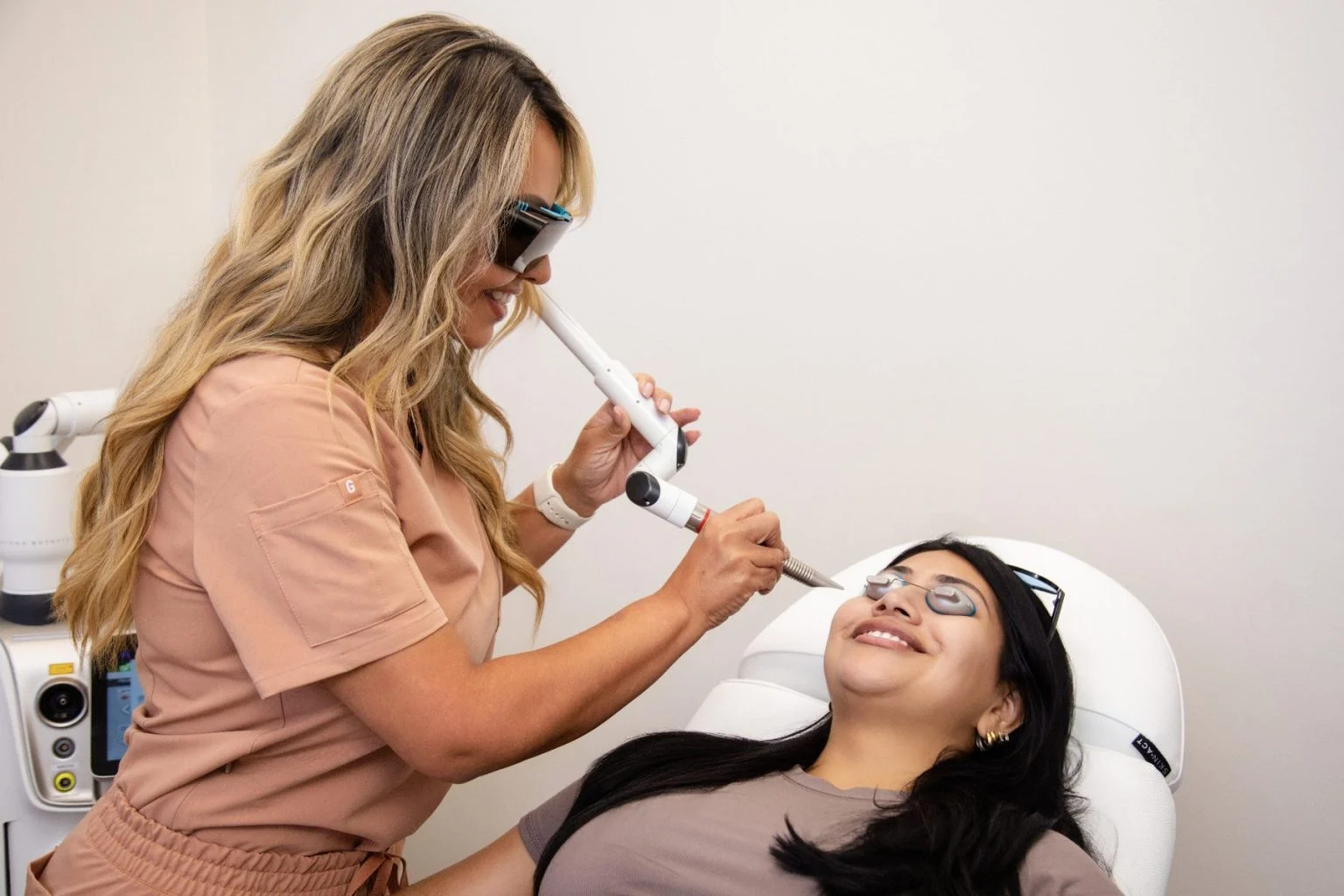

Acne does not always leave when the breakouts stop. For many patients, the more frustrating chapter starts afterward, when the skin is calmer but the mirror still shows uneven texture, shallow depressions, persistent redness, enlarged pores, and patchy discoloration. That is where laser work becomes relevant, not as a magic fix, but as a structured way to encourage the skin to rebuild itself.
Among the better-known options in this category are Fotona Laser Treatments. The reason they come up so often in post-acne care is straightforward: Fotona systems can deliver different types of laser energy, commonly Er:YAG and Nd:YAG, and that gives experienced practitioners flexibility. One patient may need resurfacing for textural scars. Another may need a gentler remodeling approach because the skin is reactive, darker in tone, or still prone to occasional breakouts. The platform matters less than the treatment plan, but Fotona has earned attention because it can be adapted across a fairly wide range of post-acne concerns.
That said, “post-acne skin renewal” is a broad phrase. It can mean softening rolling scars, reducing superficial pigmentation left after inflammation, refining rough skin, or improving the overall quality of a face that has been through years of active acne. These are different problems, and they do not all respond to the same settings, the same number of sessions, or the same recovery time. Good outcomes usually depend on matching the laser approach to the scar type, skin behavior, and the patient’s tolerance for downtime.
What post-acne skin renewal actually involves
When patients say they want clearer skin after acne, they are often talking about several issues at once. Texture is usually the most stubborn. Ice pick scars, boxcar scars, and rolling scars each have a distinct structure, and lasers affect them differently. Pigment can be another issue, especially in skin that develops brown marks after even minor inflammation. Some patients also have long-lasting pink or red areas, particularly if acne was inflammatory and deep. Then there is the more subtle damage, skin that simply looks tired, thicker in some areas, shiny in others, and less reflective than it used to be.
Laser treatment sits in the “remodeling” category. It does not fill scars the way injectable treatments can, and it does not replace subcision for scars tethered down by fibrous bands. What it does well is stimulate controlled injury in the skin so collagen remodeling can happen over time. In plain terms, the skin is prompted to repair itself in a more organized way than it did after acne.
This distinction matters because one of the most common disappointments in scar treatment comes from vague expectations. A patient hears “laser resurfacing” and imagines completely smooth skin in a single session. Real practice is more modest and more honest. Improvement is often progressive. Texture may soften by a noticeable but not total percentage. Pores may look tighter. The skin may reflect light better. Makeup may sit more evenly. Scars that once caught every shadow may become harder to see in normal daylight, even if they are still faintly visible in angled bathroom lighting.
That kind of change can be meaningful, but it helps to name it accurately.
Why Fotona comes up so often in acne recovery plans
Fotona is not a single treatment. It is a family of laser systems, and the practical advantage is versatility. The two wavelengths most commonly discussed are the 2940 nm Er:YAG and the 1064 nm Nd:YAG. They behave differently in tissue.
Er:YAG is strongly absorbed by water, which makes it useful for ablative or fractional resurfacing. In experienced hands, it can remove very precise micro-columns or layers of tissue and stimulate a wound-healing response that improves texture over time. This is often the side of the platform used when acne scars are textural and the patient is prepared for visible recovery.
Nd:YAG penetrates differently and is often used in non-ablative modes that heat deeper tissue while preserving more of the skin surface. That can be helpful when the goal is collagen stimulation with less downtime, or when the clinician wants to improve redness, skin tone, or overall firmness alongside scar care. Some practitioners combine approaches over a treatment course, using deeper collagen remodeling first and more superficial resurfacing later, or vice versa.
This flexibility is one of the reasons Fotona Laser Treatments have a place in post-acne work. They can be adjusted to the patient in front of you rather than forcing every scar pattern into the same treatment recipe.
The concerns Fotona Laser Treatments can address best
The strongest candidates are usually people with mild to moderate textural acne scarring, uneven skin surface, enlarged pores, and post-inflammatory marks that have lingered beyond the natural fading period. Patients who describe their skin as “dull and bumpy even though the acne is mostly gone” often do well with a thoughtful laser plan.
Shallow boxcar scars and rolling scars tend to respond more predictably than very narrow, deep ice pick scars. That does not mean ice pick scars cannot improve, but they often need combination treatment, sometimes including TCA CROSS, punch techniques, or other targeted approaches. A laser alone may soften the surrounding texture without https://maps.app.goo.gl/qXD4j3287tCBo42W7 fully correcting the deepest pits.
The skin quality changes can be impressive in the right case. After a series of treatments, patients often notice that the face looks more even before they can identify why. The skin catches less harsh shadowing. Foundation settles less into old acne marks. The cheek area appears smoother from conversational distance. These are the gains that matter in real life, even more than magnified before-and-after photos.
Pigment is a more careful conversation. Some post-inflammatory hyperpigmentation may improve indirectly as overall turnover and inflammation are managed, but pigment-prone skin also carries a higher risk of reacting to aggressive heat or ablation. That is where expertise matters. In medium to deeper skin tones, the treatment may need to be more conservative, more staged, and supported by strict pigment control before and after.
The consultation is where outcomes are won or lost
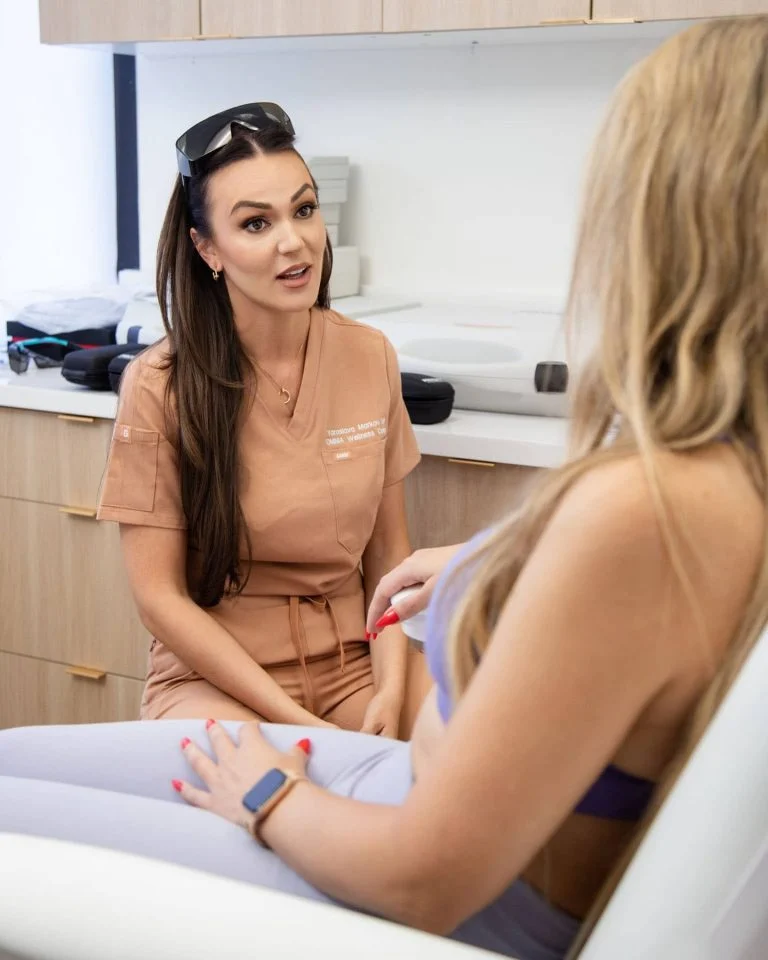
A serious acne scar consultation is rarely quick. The physician or practitioner should be looking not only at the scars but at the biology of the skin. Is acne still active? Is there frequent flushing? Has the patient developed pigmentation after prior procedures, peels, or even mosquito bites? Is the scar pattern mostly broad depressions or pinpoint defects? Has isotretinoin been used recently? Is there a history of cold sores? How much downtime is actually realistic?
Those details change the plan.
One of the clearest signs of a careful clinic is that they do not promise a specific percentage improvement after one look across the room. Scar treatment is too variable for that. Lighting, scar depth, skin thickness, age, collagen reserve, oil production, and treatment history all affect the result. A responsible clinician may describe a range instead, or explain what kind of improvement is likely in texture, tone, and recovery rather than giving a neat number.
In practice, the best plans are often mixed plans. A patient with rolling scars and mild redness may benefit from a non-ablative collagen-stimulating phase followed by more targeted resurfacing. A patient with deeper tethered scars may need subcision first, then laser once the skin is physically freer to remodel. A patient with ongoing cystic acne may need the acne controlled before any resurfacing begins. Trying to laser actively inflamed, unstable skin is a common mistake and often an expensive one.
What a treatment session feels like
The exact experience depends on the settings and the treatment mode, but most sessions begin the same way. The skin is cleansed, photographed, and usually numbed if resurfacing is planned. For lighter non-ablative sessions, some clinics use cooling and topical anesthetic, while more intensive work may require a longer numbing period.
During treatment, patients often describe a mix of heat, snapping, and prickling. Fractional ablative passes can feel sharp, even with numbing. Deeper non-ablative passes feel more like accumulating warmth. Areas with thinner skin, especially the upper lip or temples, are usually felt more intensely than fuller cheeks. The treatment itself may take anywhere from about 20 minutes to an hour depending on how extensive it is.
Immediately afterward, the skin may look flushed and feel hot, similar to a strong sunburn. With more aggressive resurfacing, there can be pinpoint bleeding, swelling, and a sandpapery texture as the treated skin begins its repair cycle. Patients are sometimes startled by how dramatic the first forty-eight hours look, then pleasantly surprised by how quickly the surface settles once proper aftercare is followed.
Downtime is not a side note, it is part of the treatment
This is one area where expectations need to be practical. A lower-downtime Fotona session may leave the skin pink for a day or two, with mild roughness and temporary dryness. A more intensive resurfacing session can involve several days of visible redness, swelling, bronzing, and flaking, with pinkness that lingers longer in fair or reactive skin.
Patients often underestimate social downtime. Technically, you may be back at work in a few days. Whether you want to attend meetings, social events, or be photographed is another matter. The answer depends on how aggressively you were treated and how your skin tends to heal.
There is also a difference between the skin being healed and the skin being ready for judgment. Surface recovery happens first. Remodeling takes longer. Early improvements are usually related to swelling and fresh surface turnover. The collagen changes that soften acne scars continue to evolve over several weeks to months. This is why spacing sessions properly matters. Chasing rapid treatment without allowing time for the skin to respond often leads to irritation rather than better outcomes.
Who tends to do well, and who needs a different plan
Patients with realistic goals, stable acne control, and mild to moderate scarring are often the happiest. They understand that smoother does not mean flawless, and they value cumulative improvement. The best candidates are also usually committed to aftercare and sun protection, which sounds basic but makes a major difference to pigment risk and healing quality.
Patients who need more caution include those with darker skin tones, a history of post-inflammatory hyperpigmentation, melasma, active cystic acne, recent tanning, frequent herpes outbreaks, or a tendency toward keloids or abnormal scarring. This does not automatically rule out treatment, but it changes the risk-benefit calculation and the intensity of the settings.
There is also a psychological piece that clinicians should not ignore. Scar treatment can be transformative for some people, but patients with severe appearance-focused distress may still feel dissatisfied after objectively good improvement. The skin can improve while self-perception remains harsh. Skilled practitioners know to discuss this gently and honestly, especially when scars are mild but the patient’s distress is extreme.
What results usually look like in the real world
The best way to think about results is layering. First, the skin often looks brighter and more even because old, rough surface cells have been shed. Then texture starts to soften as collagen remodeling develops. Shallow depressions become less abrupt. Enlarged pores may appear smaller. Makeup or sunscreen applies more smoothly. Over time, the whole face can look more refined, not because every scar disappeared, but because the contrast between scarred and unscarred skin is reduced.
For mild post-acne texture, some patients are satisfied after a short series, often around three to five sessions if the approach is conservative. More pronounced scars may need a longer plan or a combined treatment strategy over several months. Deep, sharply defined scars usually improve less with laser alone than broader, shallower defects. That is not a flaw in the technology. It is simply the reality of scar anatomy.
One useful benchmark I often hear from experienced clinicians is not “Can you still see the scar?” but “How often do you notice it in ordinary life?” That is a much more human measure. If harsh overhead lighting no longer exaggerates the cheeks, if the skin photographs better without filters, if someone stops planning hairstyles around temple scars, that is clinically meaningful.
Risks, trade-offs, and the mistakes people regret
Laser treatment is never just about upside. The common short-term risks include redness, swelling, irritation, acne flares, and temporary darkening or lightening of the skin. More significant risks, though less common in skilled hands, include infection, prolonged erythema, post-inflammatory hyperpigmentation, and textural complications if settings are inappropriate or aftercare is poor.
The biggest regrets tend to follow predictable patterns. One is treating too aggressively for a patient’s skin type. Another is starting before acne is controlled. A third is choosing a clinic based on a dramatic social media reel instead of consultation quality. Acne scar lasers are highly operator-dependent. The same device can produce elegant results in one practice and frustrating complications in another.
Cost is also part of the trade-off. Fotona Laser Treatments are usually not inexpensive, especially when multiple sessions are required. Patients should ask not only the price per session but what that session includes, whether photos are standardized, whether aftercare products are bundled, and whether the treatment plan is likely to involve additional procedures such as subcision, peels, or injectables. An apparently cheaper package is not truly cheaper if it omits the treatment components your scars actually need.
The role of aftercare, which is often underplayed
Post-treatment care deserves more respect than it gets. The skin barrier is temporarily compromised after resurfacing, and what patients do in the first week matters. Gentle cleansing, bland moisturization, sun avoidance, and strict sunscreen use are standard for a reason. Picking at flaking skin, returning to strong actives too soon, or doing intense exercise in the first day or two can all increase irritation.
If a patient is prone to cold sores, antiviral prophylaxis may be part of the plan. If acne tends to flare with occlusive healing products, the aftercare regimen may need adjusting. If pigmentation is a concern, preconditioning the skin beforehand with a pigment-safe routine can be just as important as the laser itself.
Most complications do not begin as dramatic disasters. They start as subtle excess inflammation, inconsistent aftercare, or a patient assuming the skin is “basically healed” and jumping back into retinoids, acids, hot yoga, or direct sun. In scar work, discipline often protects the result as much as the treatment energy does.
When combining treatments makes more sense than laser alone
Some of the best acne scar outcomes come from combination plans. A rolling scar tethered by fibrous bands may look only modestly better after resurfacing because the skin is still physically pulled downward. Subcision releases that attachment. Once that is done, a laser can address the remaining texture more effectively. The same logic applies to very narrow deep scars, where a targeted method may be needed first, then broader resurfacing for surrounding irregularity.
Microneedling radiofrequency, chemical reconstruction techniques, peels, scar-focused excision, and injectable stimulators all have a place in selected cases. Fotona is useful, but it is not the whole toolbox. Patients should be wary of any consultation that frames one machine as the answer to every acne aftermath.
Paradoxically, this should make patients more confident, not less. A practitioner who is willing to say “laser will help, but it will not address this component by itself” is usually a practitioner worth listening to.
Questions worth asking before you book
A sensible consultation should leave you clearer, not just more impressed. If you are considering Fotona Laser Treatments for post-acne renewal, a few questions tend to separate thoughtful planning from generic salesmanship.
- What type of acne scars do I actually have, and which of them will respond best to this laser?
- Is my acne quiet enough to treat now, or should that be stabilized first?
- What level of downtime should I realistically expect for the settings you recommend?
- What risks are most relevant for my skin tone and history?
- If laser alone is not enough, what would you combine it with, and in what order?
Those questions are simple, but they reveal a lot about whether the clinic is working from anatomy and experience or from a package menu.
The longer view on skin renewal after acne
Skin renewal is not only about scar reduction. For many patients, it is about finally feeling that their face is no longer carrying the visual memory of years of inflammation. That is why the best laser plans think beyond pits and marks. They look at skin resilience, redness, pore quality, and the overall finish of the skin.
Fotona Laser Treatments can be valuable in that process because they allow a level of customization that suits the messy reality of post-acne skin. Some faces need more resurfacing. Some need more collagen stimulation with less surface disruption. Some need a sequence, not a single event. The treatment can be powerful, but the judgment behind it is what makes it worthwhile.
When patients do well, the change often reads as healthier skin rather than “obvious procedure.” That is the sweet spot. Not a waxy surface, not a fragile overtreated sheen, but skin that looks calmer, smoother, and more even under normal daylight. For anyone who has lived with the aftereffects of acne long after the breakouts ended, that kind of improvement can feel less cosmetic than restorative.
OMNIA Wellness Center
Address: 16430 Ventura Blvd Ste 207, Encino, CA 91436
Phone number: +18183868511
FAQ About Fotona Laser Treatments
What is a Fotona laser good for?
A Fotona Laser system is a versatile, dual-wavelength medical laser used primarily for non-surgical skin tightening, anti-aging rejuvenation, and dermatological treatments.
How much does the Fotona laser cost?
The cost of a Fotona laser depends heavily on whether you are looking to purchase a laser machine for a medical practice or are a patient seeking a laser treatment at a medspa.
Is a Fotona laser worth it?
A Fotona laser treatment is generally worth it if you want non-surgical skin tightening, improved texture, and collagen stimulation with very little downtime.