The Role of Stem Cell Therapy in Future Medical Advances
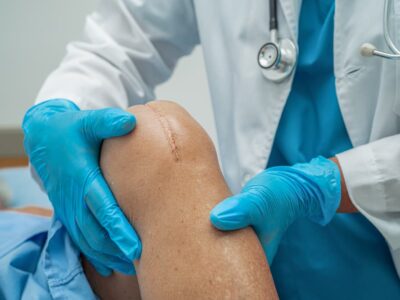

Few areas of medicine inspire as much hope, scrutiny, and confusion as Stem Cell Therapy. That mix is understandable. The basic idea sounds almost too ambitious: use living cells with the capacity to renew, specialize, and influence healing in order to repair tissues that the body cannot restore on its own. For patients with spinal cord injuries, degenerative eye disease, heart failure, severe autoimmune disorders, or brittle bone marrow, that promise is not abstract. It is personal, urgent, and often tied to conditions that conventional medicine can only manage, not reverse.
What makes the field so important is not just the possibility of dramatic cures. It is the quieter, more realistic prospect that stem cell science may gradually reshape many parts of medicine at once. The future likely will not arrive as a single breakthrough. It will come in stages: better bone marrow transplants, safer cell manufacturing, more precise tissue repair, laboratory-grown disease models, personalized drug testing, and eventually engineered replacement tissues that reduce the need for donor organs. That is how medical progress usually happens. It advances through accumulated competence.
The public conversation often skips over that middle ground. Stem cells get framed either as miracle medicine or as overhyped speculation. In practice, the truth sits in a more demanding place. Some stem cell treatments are already standard medical care. Others remain experimental but promising. Some are being marketed too aggressively long before the evidence is ready. Distinguishing among those categories matters, because the future of the field depends not only on scientific success but also on public trust.
What stem cells actually offer
At the heart of Stem Cell Therapy is a practical biological advantage. Stem cells can self-renew, meaning they can produce more of themselves, and they can differentiate, meaning they can become more specialized cell types under the right conditions. Those two abilities make them unusually useful in medicine.
Not all stem cells are the same. Adult stem cells, such as hematopoietic stem cells found in bone marrow and blood, have been used clinically for decades. These cells replenish blood and immune cells, which is why bone marrow transplantation became a cornerstone treatment for leukemia, lymphoma, aplastic anemia, and certain inherited disorders. Mesenchymal stromal or stem-like cells, often derived from bone marrow, adipose tissue, or umbilical cord sources, have attracted interest for their immunomodulatory and repair-supporting effects, though their exact role remains an area of active investigation. Embryonic stem cells and induced pluripotent stem cells carry broader developmental potential, which is part of what makes them so powerful and, in some settings, so technically and ethically complex.
The reason this matters for future advances is simple. Many diseases involve cell loss, cell dysfunction, or chronic inflammation. Traditional drugs often work by blocking a harmful pathway or supplementing a missing molecule. Stem cells introduce another therapeutic logic. Rather than simply altering chemistry, they may restore cellular function, replace damaged populations, or change the healing environment itself.
That does not mean every condition needs cell replacement. In fact, many of the most interesting near-term uses may involve support rather than substitution. A therapy might protect endangered neurons, calm an overactive immune response, or help damaged tissue heal more effectively after injury. Sometimes the cells do not need to stay long-term to create value. They may act more like biological signaling hubs than permanent structural replacements.
The part of the future that is already here
Whenever stem cells are discussed, it helps to begin with what is already real. Hematopoietic stem cell transplantation is not futuristic. It is established medicine. Depending on the disease, the donor source, the patient’s age, and the transplant strategy, it can be lifesaving. Clinicians who work in transplant units understand both its power and its cost. The process can mean weeks in protected hospital environments, profound infection risk, graft-versus-host disease, organ complications, and long recoveries. Yet for many patients, it remains the best shot at durable remission or cure.
That history offers a useful lesson. Transformative cell therapies do not become meaningful because the concept is inspiring. They become meaningful because systems are built around them: donor matching, cell collection, laboratory processing, conditioning regimens, toxicity management, follow-up care, and long-term registries. Future Stem Cell Therapy applications will need similar infrastructure. The science alone is not enough.
Corneal stem cell transplantation provides another example, though it is less widely discussed. In selected patients with severe ocular surface damage, stem cell-based reconstruction has helped restore the eye’s protective surface and, in some cases, vision potential. Skin regeneration for extensive burns has also drawn on stem cell principles in meaningful ways. These examples matter because they show the field progressing through specific clinical problems, not broad promises.
Why regenerative medicine needs stem cells, but cannot rely on them alone
The phrase regenerative medicine is often used almost interchangeably with stem cell medicine, yet the two are not identical. Regeneration in a clinical setting usually requires a combination of elements: viable cells, structural support, controlled signaling, and favorable host conditions. A transplanted cell cannot repair an organ if the surrounding tissue is scarred, inflamed, ischemic, or mechanically unstable. This is why some of the most important advances will likely come from integration.
A damaged knee cartilage surface, for example, is not just missing chondrocytes. It exists within a joint exposed to force, inflammation, alignment issues, and age-related biological limits. Likewise, repairing heart muscle after a major infarction is not only about delivering cells. The tissue is electrically active, poorly perfused, and vulnerable to arrhythmia and scar formation. Neural repair in the spinal cord is even more demanding, because incoming cells must survive, integrate, and function within a highly specialized signaling environment.
This is where scaffolds, biomaterials, gene editing, growth factors, and rehabilitation science become part of the same conversation. Future success will depend on matching the right cell type to the right disease stage, delivery route, and tissue environment. A one-size-fits-all stem cell product is unlikely to solve biologically diverse problems.
The most credible areas of future progress
The strongest future applications are likely to emerge where there is a clear mechanism, a measurable target, and a meaningful unmet need. That does not guarantee rapid success, but it improves the odds of moving from laboratory promise to actual care.
Several areas stand out:
- Blood and immune disorders, where stem cell transplantation already has a clinical foundation and can be expanded through safer conditioning, better donor access, and gene-corrected autologous cells.
- Ophthalmology, especially retinal and corneal diseases, because the tissues are relatively accessible and outcomes such as visual acuity and structural changes can be measured with precision.
- Neurologic disease, including Parkinson’s disease and spinal cord injury, where cell replacement or support strategies are biologically compelling, though technically demanding.
- Diabetes, particularly efforts to generate insulin-producing cells that can restore glucose control without lifelong dependence on external insulin delivery.
- Cardiovascular repair, where the goal may be functional improvement and scar reduction rather than complete regeneration of a damaged heart.
These are not equal in maturity. Some have advanced into carefully designed human trials. Others still face major hurdles in durability, delivery, and safety. But each reflects a setting where stem cell science addresses a genuine therapeutic gap.
Neurology and the long road from possibility to function
Neurologic diseases attract enormous attention because the need is so stark. When neurons die or critical neural circuits are disrupted, the body has limited natural repair capacity. That makes the central nervous system an obvious target for Stem Cell Therapy, but also one of the hardest.
Take Parkinson’s disease. The condition involves the loss of dopamine-producing neurons in specific brain regions. In theory, replacing or restoring those neurons is more straightforward than repairing a diffuse degenerative process affecting the entire brain. That is one reason Parkinson’s has become a prominent testing ground for stem cell-derived neural replacement strategies. Yet the challenge is not merely producing dopamine cells in a dish. Those cells must mature correctly, survive after transplantation, connect appropriately, and avoid causing problematic side effects such as dyskinesias or abnormal growth.
Spinal cord injury presents another hard truth about regenerative medicine. Patients and families often imagine stem cells as a direct route to walking again. The reality is more granular. Even a modest gain in hand function, trunk stability, bladder control, or neuropathic pain can be clinically significant. Trials in this space need careful interpretation because outcomes vary dramatically depending on injury level, severity, timing, rehabilitation intensity, and endpoint selection. A therapy that improves motor scores slightly may still change a person’s daily independence in meaningful ways. At the same time, dramatic recovery stories can distort expectations if they are presented without context.
Stroke, multiple sclerosis, and amyotrophic lateral sclerosis have also drawn stem cell interest. In some cases the cells may act by modulating inflammation or secreting supportive factors rather than directly replacing lost neural tissue. That distinction is more than academic. It affects how trials are designed and what counts as success. Stabilizing decline can be a major advance, even if full restoration remains out of reach.
Ophthalmology may become one of the clearest proving grounds
If one specialty seems especially well suited for near- to mid-term stem cell advances, it is ophthalmology. The eye offers a combination that researchers value: accessible anatomy, small tissue volumes, detailed imaging, and clinically meaningful readouts. Physicians can often see structural change directly and relate it to function.
Retinal pigment epithelium replacement for degenerative retinal disease has been studied with growing sophistication. Disorders such as age-related macular degeneration and inherited retinal dystrophies involve cell loss in tissues that do not recover well on their own. If stem cell-derived retinal support cells or photoreceptor-related strategies prove safe and functionally beneficial, they could alter the trajectory of blindness for many patients. Even partial preservation of vision would matter enormously, especially in conditions where decline is otherwise relentless.
Corneal surface reconstruction is another area where cell-based approaches already carry practical value. From a clinical standpoint, success here does not need to mean perfection. Relief of pain, restoration of surface integrity, and reduction in recurrent breakdown can be life-changing outcomes. Vision is only one part of the story. Comfort and daily function matter too.
The immune system, autoimmunity, and a rethinking of disease control
One of the most interesting future roles for stem cells lies in immunology. Hematopoietic stem cell transplantation has already shown that, under the right circumstances, the immune system can be profoundly reset. In severe autoimmune disease, particularly selected cases of multiple sclerosis and some rheumatologic conditions, this raises an important possibility: not just suppressing a dysregulated immune system, but rebuilding it.
That path is not simple. Immune reset strategies can involve significant short-term risk, and they are not appropriate for routine or mild disease. But they point toward a broader future in which cell-based medicine becomes a tool for immune reprogramming. That could extend into transplantation tolerance, inflammatory bowel disease, and rare immune dysregulation syndromes.
Mesenchymal cell products are often discussed in this context because of their apparent anti-inflammatory and immunomodulatory behavior. The promise is intriguing, especially for graft-versus-host disease and certain inflammatory injuries. Still, the field has suffered from inconsistency. Cell source, manufacturing method, dose, timing, and product quality all affect results. This is one reason why two studies that seem similar on paper can produce very different outcomes in practice.
The manufacturing problem that will decide what scales
A recurring mistake in public discussions is to treat stem cells as if they were simple interchangeable ingredients. From a therapeutic standpoint, they are closer to living products whose behavior depends on origin, handling, purity, potency, storage, and timing. Manufacturing is not a side issue. It is one of the central scientific and commercial challenges in the field.
A useful way to think about it is this: early research asks whether a cell type can help. Mature clinical development asks whether that cell product can be produced reproducibly, shipped reliably, administered safely, and measured consistently across hospitals. The second question is often harder than the first.
Developers need assays that show what a cell product is and what it does. They need batch-to-batch consistency, contamination control, cryopreservation strategies, release criteria, and long-term follow-up systems. Autologous approaches, where a patient’s own cells are collected and modified or expanded, can avoid some immune problems but create logistical complexity and variable product quality. Allogeneic approaches, using donor-derived cells prepared in advance, can scale more efficiently but raise immunologic and regulatory questions.
This is where some of the future leaders in Stem Cell Therapy will distinguish themselves. The winners may not be the groups with the boldest claims. They may be the ones that solve boring but decisive problems: manufacturing yield, viability after thaw, predictable engraftment, and realistic cost of care.
Safety is not a footnote
Stem cells generate excitement because they are living and dynamic. That is also why they demand caution. A therapy intended to regenerate tissue can, if poorly controlled, produce unwanted growth, inappropriate differentiation, immune reactions, embolic complications, or functional disruption. In neural tissue, misplacement or overgrowth can have consequences far beyond local inflammation. In cardiac tissue, electrical mismatch may pose arrhythmic risks. With pluripotent-derived products, residual undifferentiated cells must be managed carefully because tumor formation is a real concern if manufacturing standards are inadequate.
There is also the risk of therapeutic drift in the marketplace. Around the world, clinics have https://pastelink.net/g13q3cpa offered expensive stem cell injections for orthopedic pain, neurologic disease, cosmetic enhancement, and chronic illness with far less evidence than their marketing suggests. Some patients pursue these treatments after exhausting conventional options, which makes the emotional and ethical stakes even higher. The danger is not only financial exploitation. Patients can suffer infections, inflammatory reactions, loss of vision, delays in proven care, or permanent injury.
Any serious discussion of future medical advances has to acknowledge that bad clinical behavior can slow legitimate progress. Overpromising damages trust. Trust, once lost, is costly to rebuild.
Gene editing and stem cells may become a powerful partnership
One of the most compelling future directions combines stem cells with gene editing. For inherited diseases caused by specific mutations, the strategy is conceptually elegant: collect cells, correct the mutation, verify the edit, and return functional cells to the patient. In blood disorders, this approach has already moved beyond theory in important ways. Sickle cell disease and beta-thalassemia are leading examples where gene-modified stem cell approaches have shown that deep biological correction is possible.
The broader implication is significant. Stem cells can serve as both therapy and platform. They can be vehicles for corrected genes, model systems for studying disease, and sources of replacement tissue. Induced pluripotent stem cells are especially valuable here because they allow researchers to generate patient-specific cell lines, observe how disease unfolds in relevant cell types, and test candidate treatments before exposing the patient.
That does not mean personalized stem cell products will become routine for every disorder. Custom manufacturing is expensive, time-intensive, and technically demanding. But for rare monogenic diseases, severe pediatric conditions, and blood-based disorders where corrected cells can repopulate function over time, the combination of stem cell biology and gene editing could be one of the most important therapeutic developments of the next two decades.
What success may actually look like in clinics
The future of Stem Cell Therapy will likely feel less cinematic than many people expect. A successful therapy may not restore an organ to youthful perfection. It may reduce hospitalizations by 30 percent. It may preserve vision for an extra five years. It may let someone with Parkinson’s walk more steadily, or allow a transplant patient to need less immunosuppression, or give a child with an inherited blood disorder a life without repeated transfusions.
That kind of progress can be easy to undersell because it does not fit the language of miracles. Yet in medicine, durable functional gain often matters more than spectacle. A patient who can return to work part-time, avoid recurrent admission, or retain enough dexterity to dress independently has experienced a genuine medical advance.
Clinicians tend to think in that concrete way because they see how narrow margins can transform lives. The same principle should guide evaluation of the field. The most useful question is not whether stem cells can do everything. It is where they can do something meaningful, safely, and repeatedly.
The ethical and access questions that will shape adoption
Even if the science succeeds, distribution will matter. Cell therapies are expensive to develop and often expensive to deliver. They require specialized centers, cold-chain logistics, trained staff, and robust monitoring. Without deliberate planning, the benefits may cluster in major academic hospitals and wealthy health systems, while patients in rural regions or lower-resource countries remain largely excluded.
Ethics also extends beyond cost. Embryonic stem cell research has long raised moral concerns for some communities, and those concerns should not be dismissed lightly. Induced pluripotent stem cells have partly changed that conversation by offering pluripotent capabilities without the same source-related issues, but they do not erase every ethical question. Consent for tissue donation, ownership of biological materials, long-term surveillance, and equitable trial enrollment all deserve attention.
A mature field is one that can hold these tensions honestly. Scientific ambition should not require ethical amnesia.
What to watch over the next decade
The next ten years are likely to bring a clearer separation between validated stem cell medicine and speculative offerings. Several signs will be worth watching: more randomized controlled trials with meaningful endpoints, longer follow-up on pluripotent-derived products, tighter manufacturing standards, and increased combination strategies that pair cells with biomaterials, gene correction, or targeted rehabilitation.
It will also be important to watch how regulators, payers, and health systems respond. A therapy can be scientifically sound and still fail to reach patients if the reimbursement model is unrealistic or the delivery pathway is too cumbersome. By contrast, a treatment with moderate but reliable benefit may gain traction if it fits clinical workflows and prevents expensive downstream complications.
The field is moving from broad fascination into a harder phase of evidence, standardization, and discipline. That is a healthy transition. Medicine advances when possibility is forced to answer practical questions.
Stem Cell Therapy is not the future of every disease, and it will not replace pharmacology, surgery, prevention, or public health. But it is poised to become a major pillar of how medicine handles disorders defined by loss, degeneration, failed healing, and inherited cellular dysfunction. Its role will be largest where biology is clear, patient selection is careful, and expectations are anchored in evidence rather than desire.
If the field continues to mature with that level of rigor, future medical advances will not merely use stem cells as a symbol of innovation. They will use them as working tools, tested, refined, and integrated into care where they truly belong.
Denver Regenerative Medicine | Stem Cell Therapy, HRT, Testosterone Clinic
Address: 5040 Corporate Plaza Dr Ste 7, Colorado Springs, CO 80919
Phone number: +17205831648
FAQ About Stem Cell Therapy
What are the negative side effects of stem cell therapy?
Stem cell therapy can cause mild short-term reactions like injection-site pain, fatigue, and low-grade fever. More serious risks include infection, immune system rejection, blood clots, unintended tissue growth or tumors, and severe complications from unproven treatments at unregulated clinics.
What diseases can stem cells cure?
Currently, stem cells routinely and effectively cure specific blood cancers, immune deficiencies, and blood disorders using established bone marrow or cord blood transplants. Most other applications—such as for Parkinson's, diabetes, or heart failure—remain experimental or in clinical trials rather than proven cures.
Do stem cell treatments really work?
Yes, stem cell treatments work, but only for a very specific group of conditions. Hematopoietic stem cell transplants (bone marrow transplants) are fully proven and widely used to treat blood cancers like leukemia and lymphoma. However, commercial stem cell treatments for joint pain, arthritis, and wrinkles are largely unproven, experimental, and costly.